"Volumeguide 2, your ultimate hub for fashion, hobbies and inspiration needed to find freedom to grow, be inspired and get motivated into an overflowing life."
“Strive for peace and prosperity in America. Send prayers for her, and if she has peace, so will you.”
This message echoes the timeless wisdom of Jeremiah 29:7, urging us to actively seek the well-being of our nation. By praying for America’s peace and prosperity, we uplift our communities and find peace within ourselves.
Being bold as a witness for God means standing firm in your faith, even when the world pushes back. It’s speaking truth with love, sharing the gospel confidently, and living a life reflecting Christ’s light. Boldness isn’t about being loud or forceful, it’s about trusting God’s strength, stepping out in faith, and letting His Spirit guide your words and actions. When you stand boldly for God, you inspire others to seek Him, knowing He goes before you and equips you for every moment.
Today, I will talk about something that no one wants to hear or talk about death. Death is when your life is terminated and another word dead. It is sorrowful to most. Even to myself, because I lost friends and relatives in 2020.
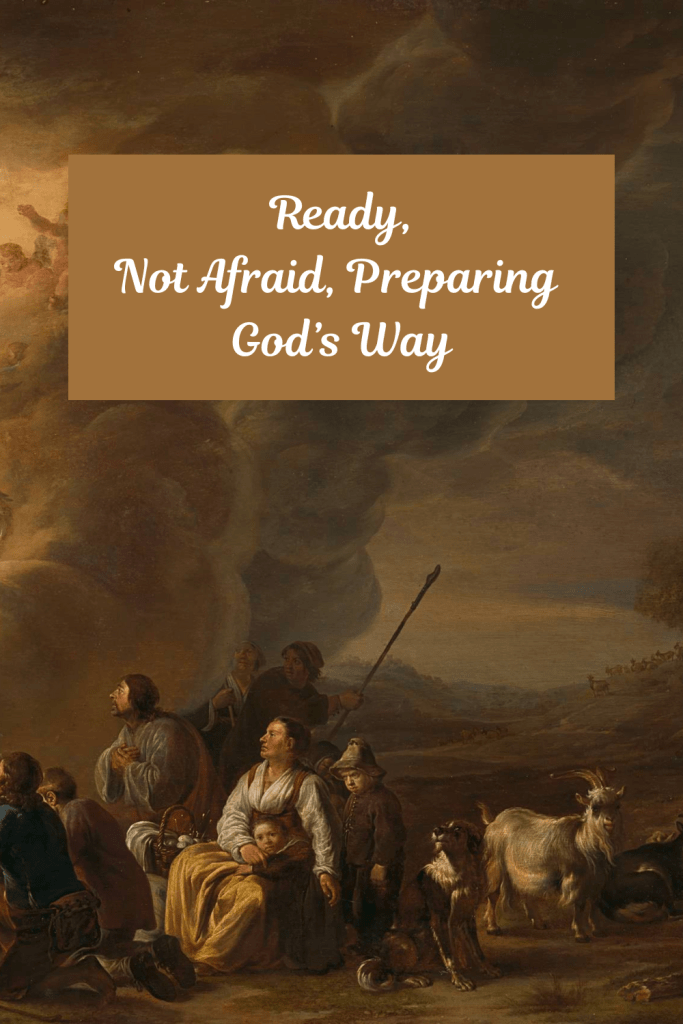
God said that we should not worry, especially the Christians, because there is hope that He has given us to stand on. He promised that if we die while we are one with Christ we will rise again. I know you have that when the trumpet sounds, we will rise from the grave and live forever with him. But those not in Christ will be judged by Him for their unrepented sins.
So, to live with Christ forever is to repent of our sins, worship, and serve Him. I know it is hard to remember all the sins we have committed, so I say this short prayer to Him often. “Father God, in the name of Jesus. I repent of all my sins that I know about and those I thought were not sins. Wash me in Your blood and make me a Holy temple. Thank you for hearing my prayers and if I were to die today. I would be with You.” So, death is something that we should not fear. Scripture reference: Rev. 21:4, 1 Thess. 4:13-14.
You are welcome to comment, let me know how you feel. I will admit that I am a Christian and sometimes full of sorrow and fear about death. All I know to do is stand on His promises. Amen!
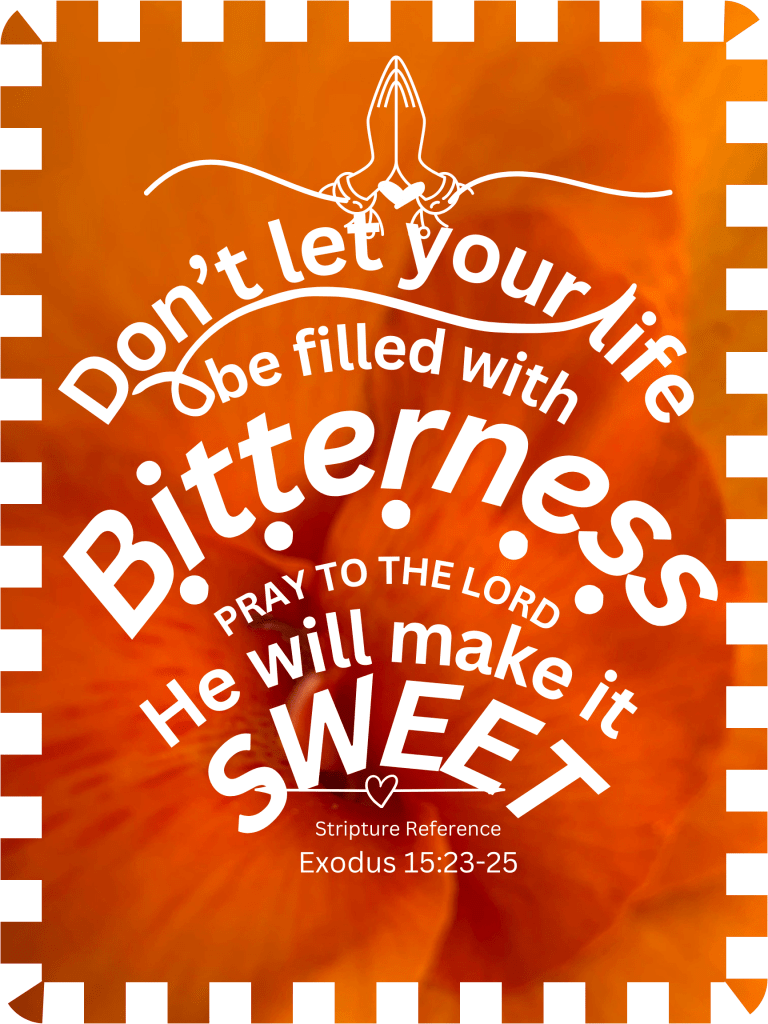
“Don’t let your life be filled with bitterness. Pray to the Lord and He will make it sweet.” Just as bitter waters were made sweet when Moses cried out to God, our lives too can be transformed through prayer. When trials weigh heavy on our hearts, turning to the Lord brings peace and renewal. His grace can soften the hardest moments and fill our souls with joy. Trust in Him, and He will replace bitterness with sweetness beyond measure.
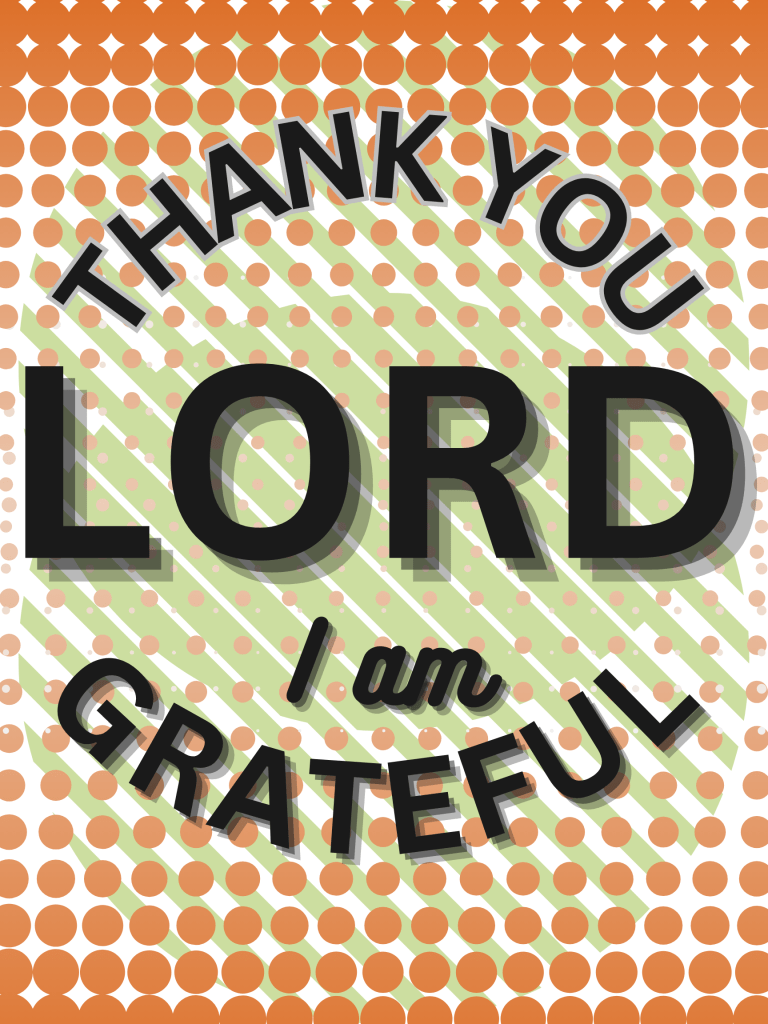
“Thank You Lord, I am Grateful” is a powerful declaration of faith and gratitude, reminding us to pause and appreciate life’s blessings, big and small. In times of joy and hardship alike, gratitude opens our hearts to peace and hope, transforming our outlook and filling us with a sense of purpose. This statement encourages us to find strength in acknowledging the gifts we have been given, and to carry forward with faith and humility. It is a reminder that, no matter what, gratitude can light our path and uplift our spirit.
Telling the story of Jesus is a profound journey through faith, love, and redemption. It begins with His humble birth in Bethlehem, where Mary and Joseph, guided by faith, welcomed the Savior into the world. The narrative unfolds as Jesus grows, performing miracles, healing the sick, and teaching love, forgiveness, and compassion through parables and sermons. His life is a testament to divine love, culminating in His crucifixion—a sacrifice made to atone for humanity’s sins. The story reaches its triumphant conclusion with the resurrection, where Jesus conquers death, offering the promise of eternal life to all who believe. This powerful narrative is a cornerstone of Christian faith, inspiring hope, love, and devotion across generations.
Clothed in the grace of God, we stand, not by our own strength, but by His unmerited favor. As it is written, ‘For by grace you have been saved through faith. And this is not your own doing; it is the gift of God’ (Ephesians 2:8). In His grace, we find our identity, our purpose, and our hope. We wear grace as a daily reminder that we are loved, forgiven, and redeemed.”
Moral traits, the fundamental building blocks of character, shape our actions, decisions, and interactions with others. These qualities guide us in navigating the complexities of life, influencing our perceptions of right and wrong. Here are a few moral traits that play a pivotal role in shaping our ethical compassion:
If your traits are positive
Compassion: Showing kindness and empathy towards others, especially those who are suffering or in need.
Contentment: Being satisfied with what one has and not constantly desiring more.
Courage: The ability to confront fear, pain, danger, uncertainty, or intimidation, whether physical or moral.
Diligence: A persistent and hardworking effort in doing something.
Encouragement: Providing support, confidence, and motivation to someone to pursue their goals or overcome obstacles.
Fairness: Treating people impartially and without bias, ensuring equal opportunities and just outcomes.
Faithfulness: Loyalty, commitment, and reliability in fulfilling promises and obligations.
Forgiveness: Letting go of resentment or anger towards someone who has wronged you and granting them pardon.
Friendliness: Being warm, welcoming, and amicable in interactions with others.
Generosity: Willingly giving and sharing one’s resources, time, or talents with others.
Gratitude: Feeling and expressing thankfulness and appreciation for the kindnesses received from others or the blessings in one’s life.
Honor: Adhering to principles of honesty, integrity, and moral uprightness.
Honesty: Truthfulness, sincerity, and transparency in communication and actions.
Hope: Belief in the possibility of positive outcomes and a brighter future.
Humility: Modesty and lack of arrogance; recognizing one’s own limitations and imperfections.
Integrity: Consistency in behavior, values, and principles; acting in accordance with moral and ethical standards.
Justice: Upholding fairness, equality, and impartiality in society and ensuring that individuals receive what they deserve.
Kindness: Showing compassion, empathy, and goodwill towards others through acts of generosity and consideration.
Knowledge: Acquiring information, understanding, and wisdom through learning and experience.
Love: Deep affection, care, and concern for others, often accompanied by a desire for their well-being and happiness.
Mercy: Compassionate treatment towards those who are vulnerable, suffering, or deserving of punishment.
Obedience: Compliance with rules, commands, or orders from authority figures or moral principles.
Orderliness: Organization and tidiness in behavior, surroundings, or processes.
Peace: Harmony, tranquility, and freedom from conflict or disturbance.
Pleasure: Enjoyment, satisfaction, or happiness derived from experiences or activities.
Purity: Freedom from contamination, corruption, or moral impurity.
Quietness: Serenity, calmness, and lack of disturbance or noise.
Responsibility: Being accountable for one’s actions, obligations, or duties.
Respect: Showing consideration, esteem, and regard for the rights, beliefs, and feelings of others.
Self-control: The ability to regulate one’s emotions, desires, and impulses in order to achieve personal goals or maintain composure.
Soberness: Seriousness, sobriety, and sound judgment in behavior and decision-making.
Teachableness: Willingness and openness to learning, receiving instruction, and being corrected or guided by others.
Trust: Confidence and reliance on the integrity, reliability, and intentions of others.
Virtue: Moral excellence and goodness; adherence to principles of righteousness and ethical conduct.
Wealth: Abundance of valuable possessions or resources, often including material wealth but also encompassing intellectual, emotional, and spiritual riches.
Wisdom: Insight, discernment, and good judgment gained through knowledge, experience, and reflection.
Work: Engaging in productive activity to achieve goals, contribute to society, or fulfill one’s responsibilities.
If your traits are negative
Anger: A strong feeling of displeasure, often accompanied by a desire to retaliate or express hostility.
Animosity: Hostility or ill will towards someone, often stemming from a deep-seated resentment or rivalry.
Anxiety: A state of uneasiness or apprehension about future uncertainties or potential threats.
Bad company: Associating with individuals who have a negative influence or engage in harmful behaviors.
Cheating: Acting dishonestly or unfairly in order to gain an advantage, especially in a competitive situation.
Cruelty: Inflicting pain, suffering, or harm on others intentionally or without remorse.
Criticism: Expressing disapproval or negative judgments about someone or something.
Deceit: The act of deceiving or misleading others through lies or deception.
Dishonor: Disgrace or loss of respect resulting from a lack of integrity or unethical behavior.
Drunkenness: The state of being intoxicated by alcohol, leading to impaired judgment and behavior.
Enmity: Deep-seated hostility or animosity towards someone, often resulting from past conflicts or grievances.
Envy: Resentment or jealousy towards someone else’s possessions, qualities, or achievements.
Failure: Lack of success or accomplishment in achieving a desired goal or outcome.
Folly: Lack of good sense or judgment; foolishness or irrationality in actions or decisions.
Hatred: Intense and deep-seated dislike or aversion towards someone or something.
Impurity: Contamination or corruption, especially in moral or spiritual contexts.
Injustice: Lack of fairness or equity in treatment; violation of rights or denial of justice.
Lying: Intentionally making false statements with the intent to deceive others.
Misery: Extreme unhappiness, suffering, or distress.
Poverty: Lack of material wealth or resources, often leading to hardship and deprivation.
Pride: Excessive self-importance or arrogance; an inflated sense of one’s own superiority.
Rebellion: Defiance or resistance against authority or established norms, often resulting in disobedience or revolt.
Slander: Making false spoken statements intended to damage someone’s reputation.
Shame: A painful feeling of humiliation or embarrassment resulting from one’s own actions or circumstances.
Strife: Conflict or disagreement, often characterized by tension, hostility, or discord.
Talkativeness: Excessive or unnecessary talking, often without regard for others’ interest or willingness to listen.
Unfairness: Lack of impartiality or justice in treatment; favoritism or discrimination.
Unfaithfulness: Breaking trust or loyalty, especially in a committed relationship or obligation.
Unteachableness: Resistance to learning or being corrected; unwillingness to accept instruction or guidance.
Unfriendliness: Lack of warmth or amiability in interpersonal interactions; being cold or distant towards others.
Wickedness: Moral corruption or evil intentions; engaging in harmful or malicious actions.
Worry: Persistent and excessive concern or anxiety about potential problems or future events.
Never forget to be truthful and kind. Hold these virtues tightly(positive traits). Write them deep within your heart.(proverbs 3:3) For HE(God) wanted them to be understanding, just, and fair in everything they did.(Proverbs 1:3) Living Psalms and Proverbs, by Kenneth N. Taylor.
DISCLOSURE: I want to clarify that some links on our website are affiliate links. This means that when you click on them and make a purchase, we may earn a commission. These commissions support our website's operation and help us provide valuable content to our readers.
Written
on March 9, 2025