"Volumeguide 2, your ultimate hub for fashion, hobbies and inspiration needed to find freedom to grow, be inspired and get motivated into an overflowing life."

Archive for the ‘Hobbies’ Category

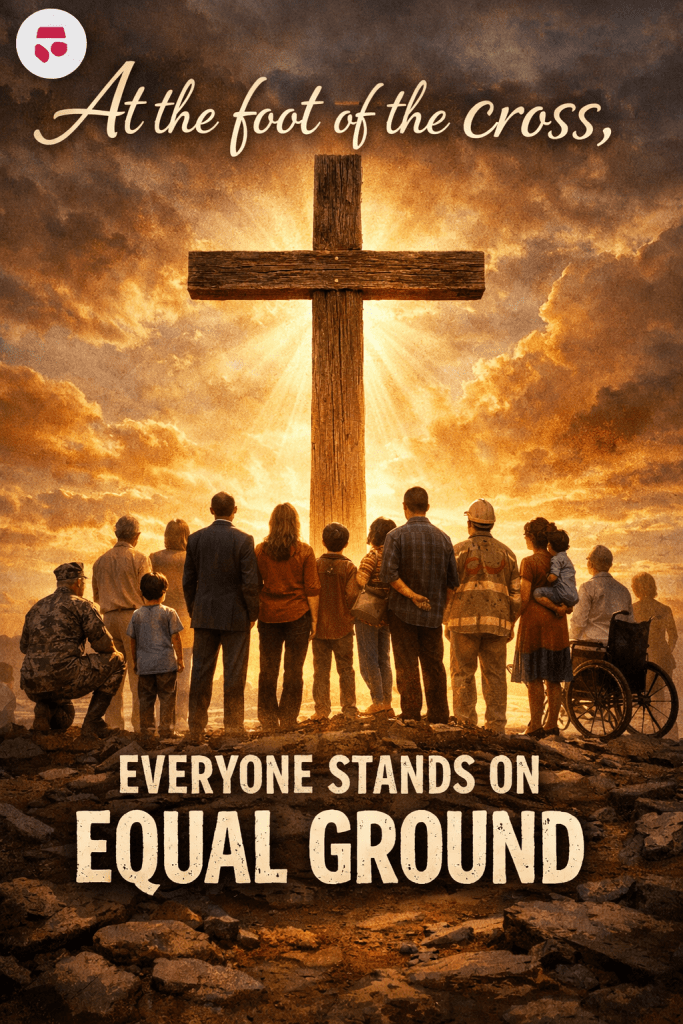
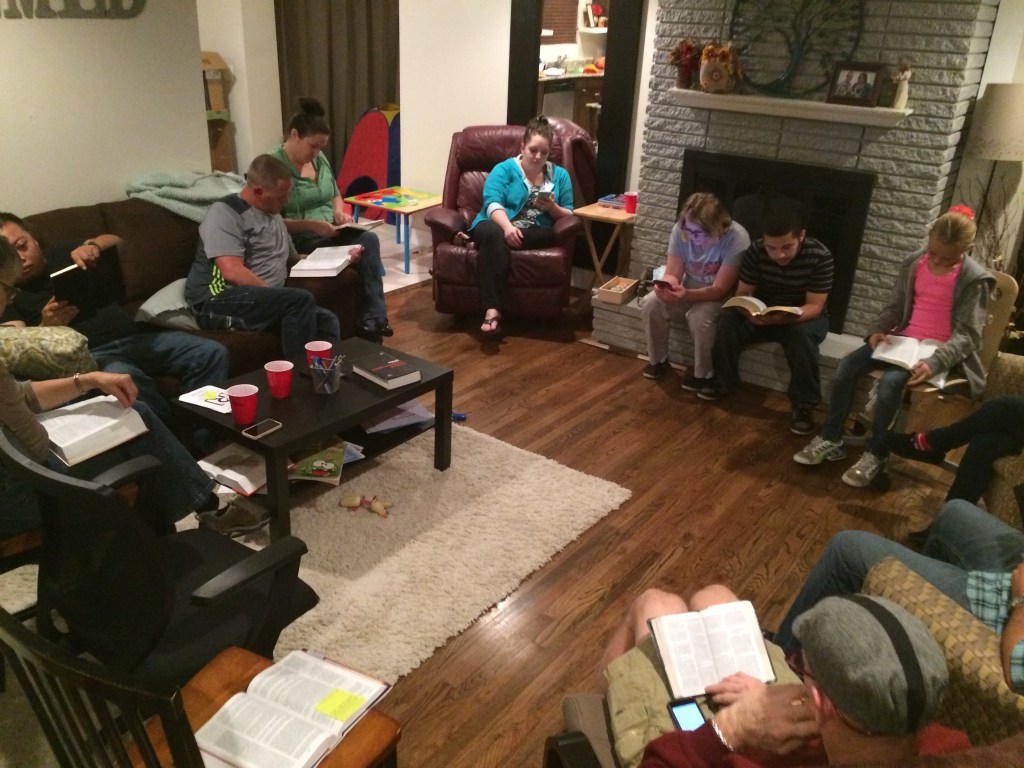
Come Let Us Encourage One Another to Follow Christ

Image

In a world full of noise, distraction, and pressure, following Christ can sometimes feel lonely. The truth is, God never intended for us to walk this journey alone. He designed the Christian life to be lived in community, strengthened, sharpened, and supported by one another.

The Bible tells us in Hebrews 10:24–25,
“And let us consider one another to provoke unto love and to good works: Not forsaking the assembling of ourselves together… but exhorting one another.”

That word consider means to be intentional. Encouragement is not accidental. It is deliberate. It requires us to pay attention to the spiritual condition of those around us.

Why Encouragement Matters

Following Christ requires faith, obedience, humility, and endurance. Some days are strong. Some days are hard.

Encouragement:

  • Lifts the weary.
  • Strengthens the doubting.
  • Reminds us of God’s promises.
  • Refocuses our hearts on eternal things.

When someone reminds you of who you are in Christ, it changes your posture. When someone prays for you, it strengthens your spirit. When someone speaks truth over your life, it silences the lies of the enemy.

Encouragement keeps us aligned with purpose.

We Grow Together

The early church thrived because believers gathered, prayed, broke bread, and learned together. In the book of Acts, we see unity, generosity, and bold faith spreading because people were committed to each other.

Isolation weakens faith. Community strengthens it.

You don’t have to be a preacher to encourage someone. Sometimes encouragement looks like:

  • Sending a scripture text.
  • Checking in with a simple “I’m praying for you.”
  • Sharing your testimony.
  • Showing up consistently.

Small acts carry eternal impact.

Encouragement Requires Humility

Encouraging one another also means being open to receiving encouragement. Pride says, “I’m fine.” Wisdom says, “I need my brothers and sisters in Christ.”

God uses people to build people.

We must create spaces where honesty is safe and faith is strengthened. When we speak life, we reflect Christ. When we stand with each other, we represent His love.

Let Us Be the Church

Encouragement is more than kind words. It is a call to action.

Let us:

  • Remind each other of truth.
  • Correct in love.
  • Pray without ceasing.
  • Serve faithfully.
  • Stay committed when feelings fluctuate.

Following Christ is not about perfection. It is about perseverance.

And perseverance is easier when someone is walking beside you.

Today, ask yourself:
Who can I encourage?
Who needs a reminder of God’s faithfulness?
Who might be quietly struggling?

Then act on it.

Come, let us encourage one another to follow Christ — boldly, faithfully, and together.

Because when we strengthen one another, we strengthen the body of Christ.

And that is how we endure.

Jesus Had No Doubt About Who He Was

No Doubt

https://www.mediastorehouse.com/p/690/jesus-teaching-disciples-matthew-v-38210178.jpg.webp
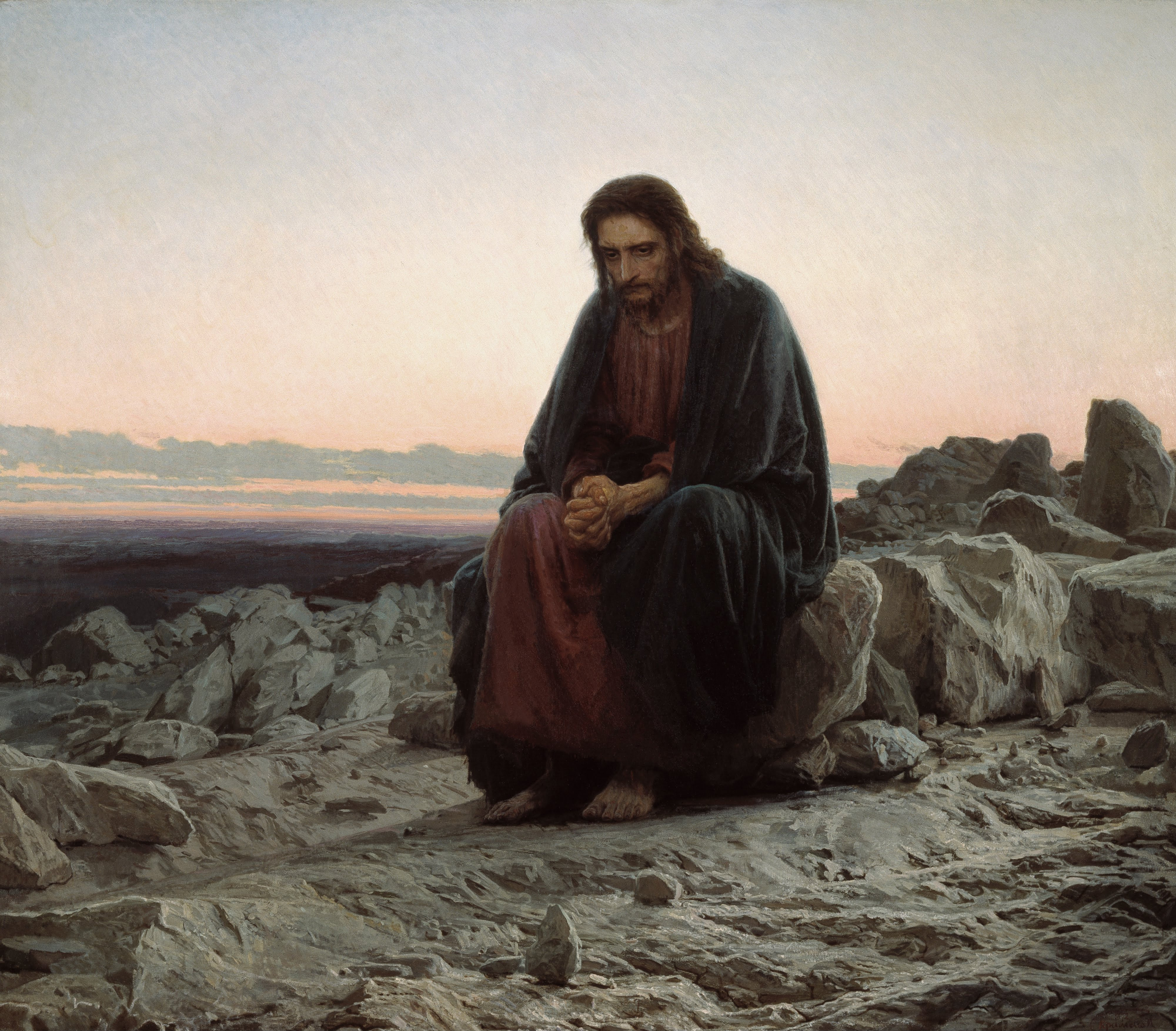
https://upload.wikimedia.org/wikipedia/commons/1/17/Christ_in_the_Wilderness_-_Ivan_Kramskoy_-_Google_Cultural_Institute.jpg
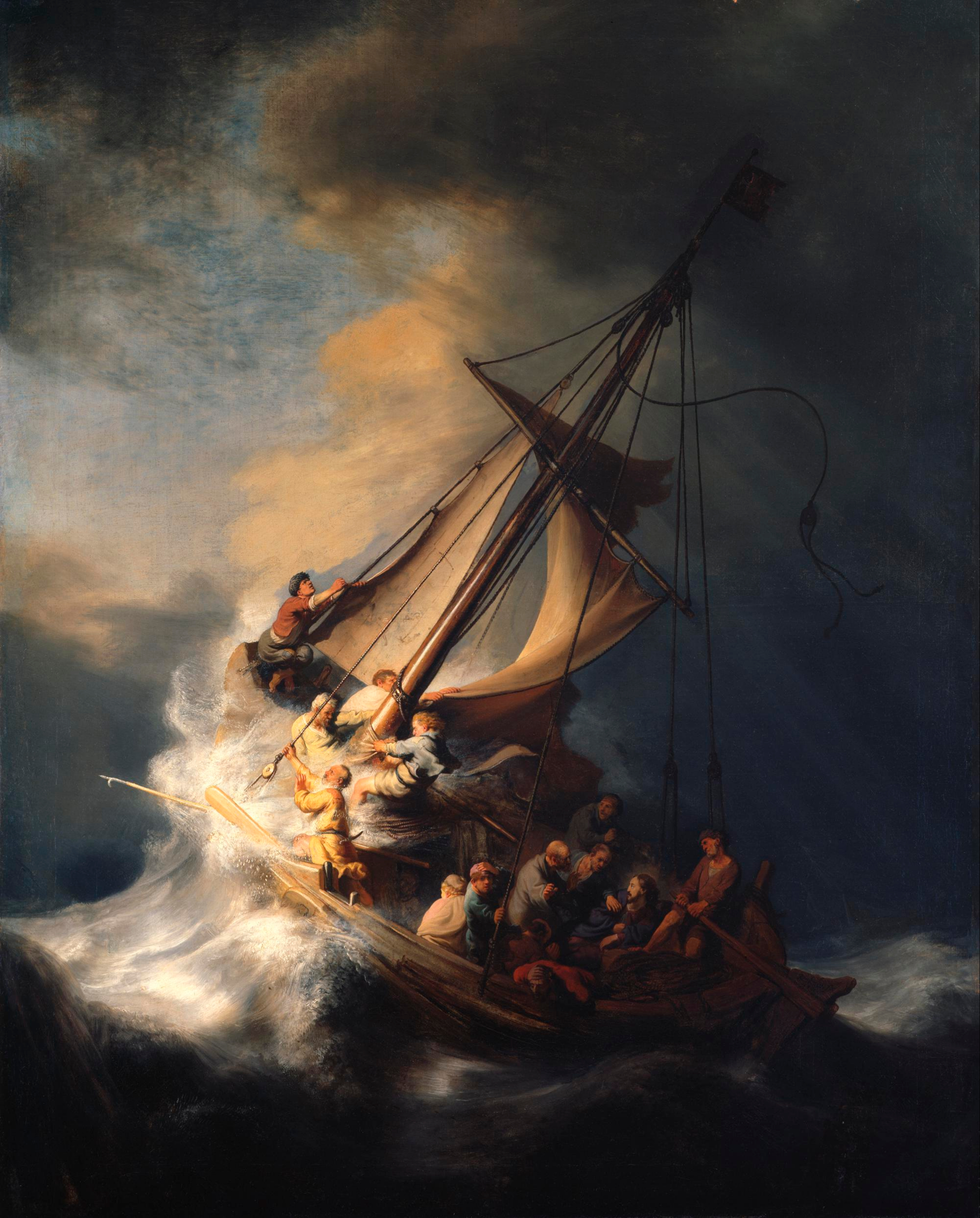
https://upload.wikimedia.org/wikipedia/commons/f/f3/Rembrandt_Christ_in_the_Storm_on_the_Lake_of_Galilee.jpg
https://i.etsystatic.com/30446102/r/il/3f8e4e/6424612723/il_fullxfull.6424612723_kz7j.jpg

There is something powerful about a person who knows who they are.

No insecurity.
No confusion.
No need for approval.

When you read the Gospels, one thing becomes clear: Jesus never questioned His identity. He never doubted His authority. He never second-guessed His purpose.

And that certainty changed everything.


Jesus Knew Where He Came From

In John 8:14, Jesus says:

“Even if I bear witness of Myself, My witness is true, for I know where I came from and where I am going.”

That’s clarity.

He knew His origin was heaven. He knew His mission was redemption. He knew His destination was glory. He wasn’t trying to “find Himself.” He was sent.

You and I struggle with identity because we measure ourselves by culture, opinions, and comparison. Jesus measured Himself by the Father.


Jesus Knew He Was the Son of God

When standing before religious leaders, Jesus did not shrink back.

In Matthew 26:63–64, when asked if He was the Christ, the Son of God, Jesus answered plainly:

“It is as you said.”

He knew the claim would cost Him, and He still said it.

No hesitation.
No backtracking.
No apology.

That’s confidence rooted in truth.


Jesus Knew His Authority

In Matthew 28:18, after His resurrection, Jesus declared:

“All authority in heaven and on earth has been given to Me.”

Notice — He didn’t say some authority.
He didn’t say temporary authority.
He said all.

Even during the storm in Mark 4:39, when the disciples panicked, Jesus simply spoke:

“Peace, be still.”

And the wind obeyed.

That’s not arrogance.
That’s divine authority.


Jesus Knew His Power — Even When Tested

When tempted in the wilderness (Matthew 4:1–11), Jesus did not argue emotionally with the enemy. He responded with Scripture.

“It is written.”

He knew the Word because He is the Word (John 1:1).

Doubt did not shake Him.
Temptation did not redefine Him.
Pressure did not confuse Him.


Jesus Never Let Opposition Define Him

When standing before Pontius Pilate, Jesus did not defend Himself desperately.

In John 18:37, He calmly said:

“For this cause I was born, and for this cause I have come into the world.”

He knew His purpose. Even facing death.

That kind of clarity comes from intimacy with the Father.


What This Means for Us

Here’s the truth:
Most people doubt because they don’t know who they are.

Jesus never doubted because He knew whose He was.

If you belong to Christ, your identity is not fragile. It’s anchored.

  • You are chosen (Ephesians 1:4).
  • You are God’s workmanship (Ephesians 2:10).
  • You are a child of God (John 1:12).

But here’s the correction we need:

You cannot walk in confidence if you don’t spend time with the Father.

Jesus often withdrew to pray (Luke 5:16).
Confidence is born in communion.


Final Reflection

Jesus did not doubt who He was — even when misunderstood, rejected, betrayed, or crucified.

And because He was certain, we can be secure.

If you’re struggling with identity today, don’t chase validation.
Chase revelation.

Ask God to show you who you are in Him.

Clarity changes courage.
And courage changes how you live.

Jesus, the Lover of Our Souls

HE Loves Our Souls

In a world that constantly asks us to perform, achieve, and prove our worth, Jesus stands apart. He does not love us for what we produce; He loves us for who we are. Scripture reveals Him not just as Savior, King, or Teacher, but as the Lover of our souls, the One who knows us completely and loves us faithfully anyway.

This kind of love is rare. Human love can falter, grow weary, or change with circumstances. But Jesus’ love is steady, personal, and unbreakable. Psalm 103:14 reminds us, “For He knows our frame; He remembers that we are dust.” He understands our weakness, our fears, and our wounds, and instead of turning away, He draws closer.

Jesus loves us intentionally. He didn’t love humanity from a distance. He stepped into our pain, walked among our struggles, and carried our sins to the cross. John 15:13 declares, “Greater love has no one than this: to lay down one’s life for one’s friends.” The cross is not just a symbol of sacrifice; it is a declaration of devotion. It tells every heart, “You are worth dying for.”

But His love doesn’t end at forgiveness; it continues in companionship. Jesus doesn’t merely rescue us; He walks with us. He comforts us when we’re broken, strengthens us when we’re weak, and restores us when we’re weary. He doesn’t rush our healing or shame our struggles. Instead, He invites us to come just as we are. “Come to Me, all who are weary and burdened, and I will give you rest” (Matthew 11:28).

Jesus also loves us personally. He knows your story, not just the highlights, but the hidden chapters too. The disappointments, the prayers you whispered in the dark, the battles you never told anyone about, He sees them all. And still, He chooses you. His love isn’t based on perfection; it’s rooted in compassion. Romans 8:38–39 assures us that nothing, not failure, fear, hardship, or even death, can separate us from His love.

To call Jesus the Lover of our souls is to recognize that His love reaches deeper than surface needs. He doesn’t just fix circumstances, He heals hearts. He doesn’t just change situations, He transforms lives. His love restores hope, rebuilds identity, and reminds us who we truly are: chosen, valued, forgiven, and deeply loved.

When we receive His love, something shifts. We stop striving to earn approval and begin resting in acceptance. We stop fearing rejection and begin walking in confidence. We stop searching for fulfillment in temporary things and begin finding peace in eternal truth.

Jesus is not distant. He is not indifferent. He is not conditional.

He is the Lover of your soul, faithful in every season, gentle in every storm, and constant in every moment.

And His love is for you, today, tomorrow, and forever.

AMEN!

SELF-CARE SUNDAY

5-Point Relaxation Checklist

Slow Your Morning
“Be still, and know that I am God.” — Psalm 46:10

Slow down. Breathe deep. Restore your soul.


Nourish Your Body
“So whether you eat or drink… do it all for the glory of God.” — 1 Corinthians 10:31

Drink water, eat something comforting, and move gently.


Clear Your Space
“Let all things be done decently and in order.” — 1 Corinthians 14:40

Tidy one small area to invite peace and clarity.


Feed Your Spirit
“Your word is a lamp to my feet and a light to my path.” — Psalm 119:105

Pray, praise, worship at your house of worship, journal, read something uplifting, or listen to calming music.


Do One Thing Just for Joy
“The joy of the Lord is your strength.” — Nehemiah 8:10

Rest, create, laugh, or enjoy something that fills your heart.

ENJOY!

Where Is God’s Special Place According to the Bible?

Many people believe God lives far away in heaven, unreachable and distant. But the Bible tells a deeper story, one of closeness, relationship, and divine desire.

Scripture teaches that God reigns from heaven (Psalm 103:19), yet He chose to dwell among His people in the Tabernacle and the Temple (Exodus 25:8). However, the greatest shift occurs through Jesus. God no longer dwells in buildings. He dwells in believers (1 Corinthians 3:16).

And one day, God will dwell openly with humanity forever (Revelation 21:3). The Bible reveals that God’s special place isn’t just a location, it’s a people.

If you’ve ever felt far from God, this truth changes everything. He’s closer than you think.

Patience In The Time Of Need

Patience in a time of need is choosing to trust God when answers are delayed, and relief seems far away. It is the quiet strength that holds on through uncertainty, believing that God is still working even when nothing appears to change. True patience doesn’t deny pain; it surrenders it to God, waiting with faith that His timing is purposeful, His presence is near, and His outcome will be good.

Job — the Bible’s most patient person

  • Book: Job
  • Key verse: “You have heard of the perseverance of Job and have seen what the Lord finally brought about.”
    James 5:11

Job lost his children, wealth, health, and reputation, yet he did not abandon God. He questioned, grieved, and wrestled, but he endured. Biblical patience isn’t silence or pretending pain doesn’t exist; it’s remaining faithful while suffering.

Others often mentioned for patience (but Job stands out)

  • Moses – patient with a complaining people (Numbers 12:3)
  • David – patient while waiting years to become king (1 Samuel → Psalms)
  • Jesus – the perfect example of patience and longsuffering (1 Peter 2:23)

But Scripture explicitly names Job as the example of patience. That’s why James 5:11 points back to him.

God’s Justice: Why we need it and the nature of it

God’s Justice in the Book of Hosea

God’s justice isn’t about punishment alone; it’s about calling hearts back to Him.
In Hosea, we see a faithful God confronting sin, exposing truth, and still choosing mercy.

“How can I give you up, Ephraim? My compassion is stirred.” (Hosea 11:8)

God disciplines because He loves.
Justice corrects. Mercy restores.
And repentance always opens the door to healing.

God’s justice is proof of His love.

Why do we need Justice: Israel claimed God with their lips, but rejected His ways with their lives.
They built altars, but not obedience.
They trusted alliances, but not God.

“They sow the wind and reap the whirlwind.” (Hosea 8:7)

God’s justice exposes empty worship and misplaced trust.
Ritual without obedience leads to loss.
Faith without faithfulness leads to ruin.

God desires hearts that truly know Him, not just words that sound holy.

In Hosea 9:1–10:15 — When Blessings Become Warnings, it’s the nature of Justice

Israel celebrated prosperity while drifting from God.
Joy replaced repentance.
Success replaced obedience.

“Sow righteousness for yourselves, reap the fruit of unfailing love.” (Hosea 10:12)

God’s justice strips away false security and exposes what the heart truly trusts.
Unchecked sin turns blessing into bondage.
But repentance still opens the door to mercy.

Break up the unplowed ground. It’s time to seek the Lord.

“Knowing God by His Names: Scripture, Meaning, and Prayer”

Elohim — God the Creator

Scripture:
Genesis 1:1 — “In the beginning God (Elohim) created the heaven and the earth.”

Prayer:
Elohim, Mighty Creator, You formed all things by Your power. I come to You knowing nothing is too difficult for You. Please help me in this situation and bring order, wisdom, and strength where I feel overwhelmed. Amen.


Yahweh (YHWH) — The Great I AM

Scripture:
Exodus 3:14–15 — “God said to Moses, ‘I AM WHO I AM.’ … This is My name forever.”

Prayer:
Yahweh, the eternal I AM, You are present with me right now. I need Your guidance and assurance. Walk with me, lead me, and be all that I lack today. I trust in who You are. Amen.


Jehovah — The Covenant-Keeping LORD

Scripture:
Psalm 83:18 — “That men may know that thou, whose name alone is JEHOVAH, art the most high over all the earth.” (KJV)

Prayer:
Jehovah, faithful and unchanging Lord, You keep every promise You have made. I ask for Your help according to Your word. Strengthen my faith and fulfill Your will in my life. Amen.


El Shaddai — God Almighty

Scripture:
Genesis 17:1 — “I am God Almighty (El Shaddai); walk before Me, and be blameless.”

Prayer:
El Shaddai, God Almighty, I place my weakness in Your powerful hands. Help me where I cannot help myself. Provide, protect, and sustain me according to Your mighty power. Amen.


El Roi — The God Who Sees Me

Scripture:
Genesis 16:13 — “You are the God who sees me.”

Prayer:
El Roi, You see me completely—my pain, my fear, and my need. Thank You that I am never hidden from You. Please help me, comfort me, and remind me that I am not alone. Amen.

Bible-Study Handout

The Names of God in Scripture


1. Elohim — God the Creator

Scripture: Genesis 1:1
Key Truth: God is powerful, intentional, and sovereign over all creation.
Reflection Question: Where do I need to trust God’s creative power in my life right now?


2. Yahweh (YHWH) — The Great I AM

Scripture: Exodus 3:14–15
Key Truth: God is eternal, unchanging, and personally present with His people.
Reflection Question: How does knowing God is “I AM” help me face today’s challenges?


3. Jehovah — The LORD

Scripture: Psalm 83:18 (KJV)
Key Truth: God is supreme over all the earth and faithful to His covenant.
Reflection Question: Which promise of God do I need to rely on more fully?


4. El Shaddai — God Almighty

Scripture: Genesis 17:1
Key Truth: God is all-powerful and completely sufficient for every need.
Reflection Question: What situation do I need to surrender to God’s almighty power?


5. El Roi — The God Who Sees Me

Scripture: Genesis 16:13
Key Truth: God sees, cares, and responds personally to human suffering.
Reflection Question: How does it change my prayers to know God sees me fully?


Closing Study Prayer

Lord, help me to know You not just by name, but by experience. Teach me to trust who You are. Amen.

Being a Follower of the Word

The Biblical Meaning of Being a Follower of the Word

In Scripture, being a follower of the Word is far more than believing the Bible is true—it is allowing God’s Word to shape who you are, how you think, and how you live. The Word of God is not only written on pages; it is alive, active, and meant to lead us into a way of life that reflects God’s heart.

1. The Word Is a Person: Following Jesus Himself

Before the Bible was words in a book, the Word was a Person—Jesus Christ.
John 1:1 declares, “In the beginning was the Word, and the Word was with God, and the Word was God.”
To be a follower of the Word means to follow Jesus—His teachings, His example, His character, and His way of life.

Jesus didn’t just speak the Word; He embodied it.
So when we follow the Word, we aren’t just following rules—we are following a relationship.

2. The Word Leads, and We Walk Behind It

Psalm 119:105 says, “Your word is a lamp to my feet and a light to my path.”
A follower does not walk ahead of God, guessing their own direction. A follower stays close enough to the light to see the next step.

Being a follower of the Word means:

  • Letting Scripture guide decisions
  • Seeking God’s wisdom before acting
  • Trusting God’s timing
  • Choosing obedience over convenience

When we follow the Word, we walk the path God sets before us instead of carving out our own.

3. The Word Transforms the Heart

A follower is not just someone who reads the Word but someone who is changed by it.
Romans 12:2 reminds us not to conform to the world but to be transformed by the renewing of your mind.

A follower of the Word:

  • Allows truth to challenge old habits
  • Lets Scripture correct harmful attitudes
  • Embraces conviction as God’s loving guidance
  • Pursues holiness, not perfectionism

Following the Word means letting God’s truth purify our thoughts, motives, and desires.

4. The Word Produces Fruit

Jesus said, “If you remain in Me and My words remain in you… you will bear much fruit” (John 15:5).

Being a follower of the Word produces visible change in how we live.
The Word shapes us to walk in:

When the Word lives in us, it flows through us—into our relationships, decisions, work, and daily life.

5. The Word Protects and Equips Us

Ephesians 6:17 calls the Word “the sword of the Spirit.”
Followers of the Word are spiritually equipped. They don’t fight battles empty-handed—they fight with truth.

Following the Word means:

  • Recognizing lies and replacing them with Scripture
  • Standing firm during spiritual attacks
  • Clinging to God’s promises in times of fear or doubt

The Word becomes not just instruction but protection.

6. The Word Sends Us Out

Jesus never called disciples to simply hear. He called them to go.
Matthew 28:19 says, “Go and make disciples of all nations.”

A follower of the Word lives out Scripture in public, not just in private.

They:

  • Share God’s love
  • Encourage others with truth
  • Serve with compassion
  • Live in a way that points people to Jesus

The Word we follow becomes the Word we carry into the world.


Conclusion: A Follower of the Word Lives With Purpose

To be a follower of the Word means:

  • To follow Jesus
  • To let Scripture guide your steps
  • To allow God’s truth to shape your heart
  • To bear fruit that reflects His character
  • To stand strong through spiritual battles
  • To live out God’s mission every day

It’s not about perfection—it’s about direction.
It’s not about knowing every verse—it’s about obeying what you do know.
It’s not about a title—it’s about a transformed life.

When you follow the Word, you follow the One who is the Way, the Truth, and the Life.

When Fear Feels Bigger Than Faith

When Fear Feels Bigger Than Faith — Job 3:25

Job’s words in Job 3:25 are raw, honest, and deeply human. He admits, “What I feared has come upon me.” Sometimes our greatest worries, the things we quietly hope never happen, seem to show up at our doorstep. And when they do, we can feel shaken, overwhelmed, and unsure of how to move forward.

But this verse is not the end of Job’s story, and it’s not the end of yours either.

Even in Job’s anguish, God had a plan. His fear did not cancel God’s faithfulness. His pain did not erase God’s purpose. And his darkest moment became the pathway to restoration, strength, and double blessing.

If you’re facing something you once feared…
If life dealt you a blow you didn’t expect…
If your heart is asking, “Why this? Why now?”

Remember this: What you fear may surprise you, but it never surprises God.
He is already in the middle of your situation, working out what you cannot see yet.

Let Job’s journey remind you today:

  • God stays, even when fear speaks loud.
  • God restores, even when life feels broken.
  • God strengthens, even when you feel empty.
  • God finishes your story with hope, not despair.

Hold on.
Your chapter may feel heavy, but God is still writing.

Fear doesn’t get the final say — God does.