
Jesus Had No Doubt About Who He Was
No Doubt


There is something powerful about a person who knows who they are.
No insecurity.
No confusion.
No need for approval.
When you read the Gospels, one thing becomes clear: Jesus never questioned His identity. He never doubted His authority. He never second-guessed His purpose.
And that certainty changed everything.
Jesus Knew Where He Came From
In John 8:14, Jesus says:
“Even if I bear witness of Myself, My witness is true, for I know where I came from and where I am going.”
That’s clarity.
He knew His origin was heaven. He knew His mission was redemption. He knew His destination was glory. He wasn’t trying to “find Himself.” He was sent.
You and I struggle with identity because we measure ourselves by culture, opinions, and comparison. Jesus measured Himself by the Father.
Jesus Knew He Was the Son of God
When standing before religious leaders, Jesus did not shrink back.
In Matthew 26:63–64, when asked if He was the Christ, the Son of God, Jesus answered plainly:
“It is as you said.”
He knew the claim would cost Him, and He still said it.
No hesitation.
No backtracking.
No apology.
That’s confidence rooted in truth.
Jesus Knew His Authority
In Matthew 28:18, after His resurrection, Jesus declared:
“All authority in heaven and on earth has been given to Me.”
Notice — He didn’t say some authority.
He didn’t say temporary authority.
He said all.
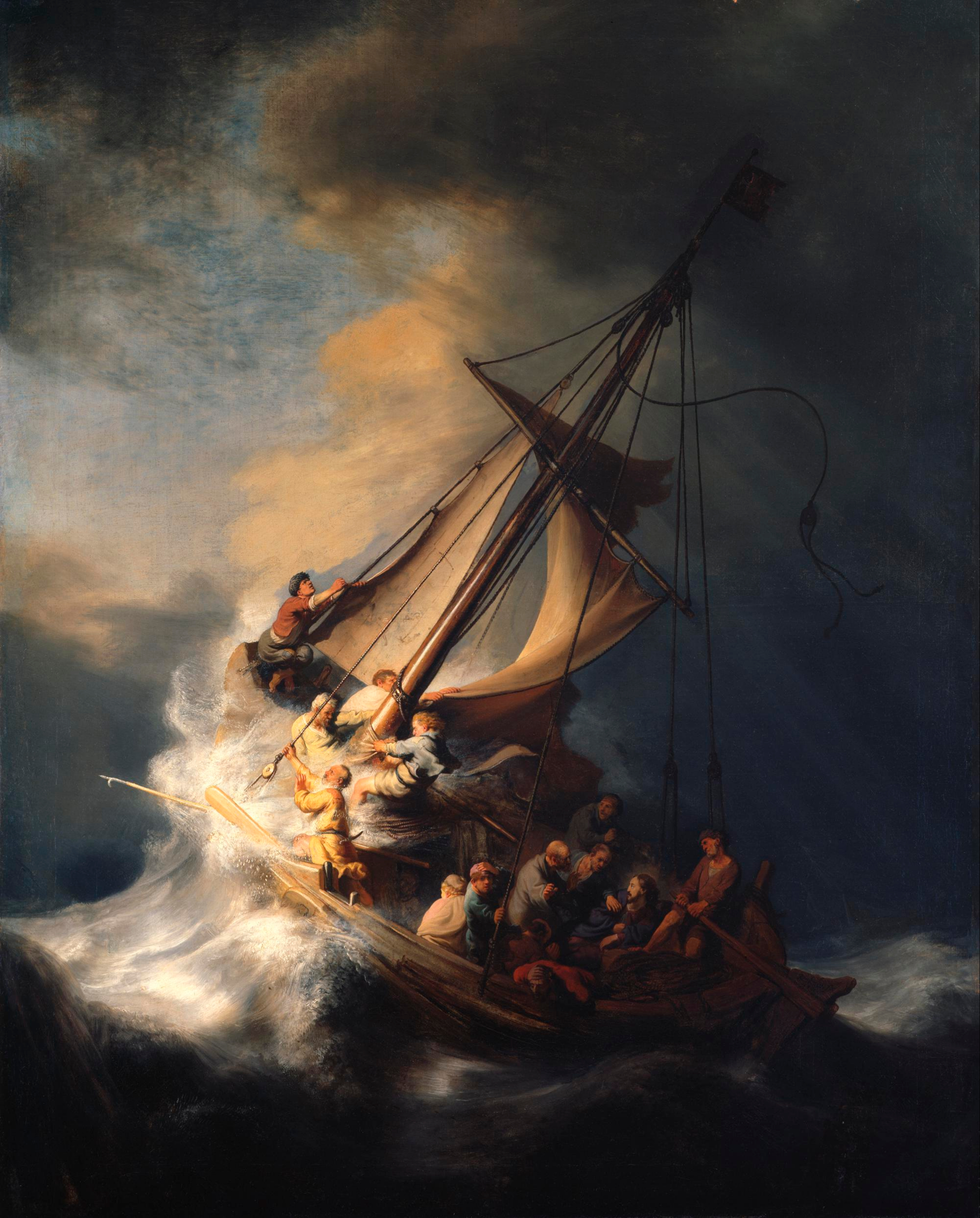
Even during the storm in Mark 4:39, when the disciples panicked, Jesus simply spoke:
“Peace, be still.”
And the wind obeyed.
That’s not arrogance.
That’s divine authority.
Jesus Knew His Power — Even When Tested
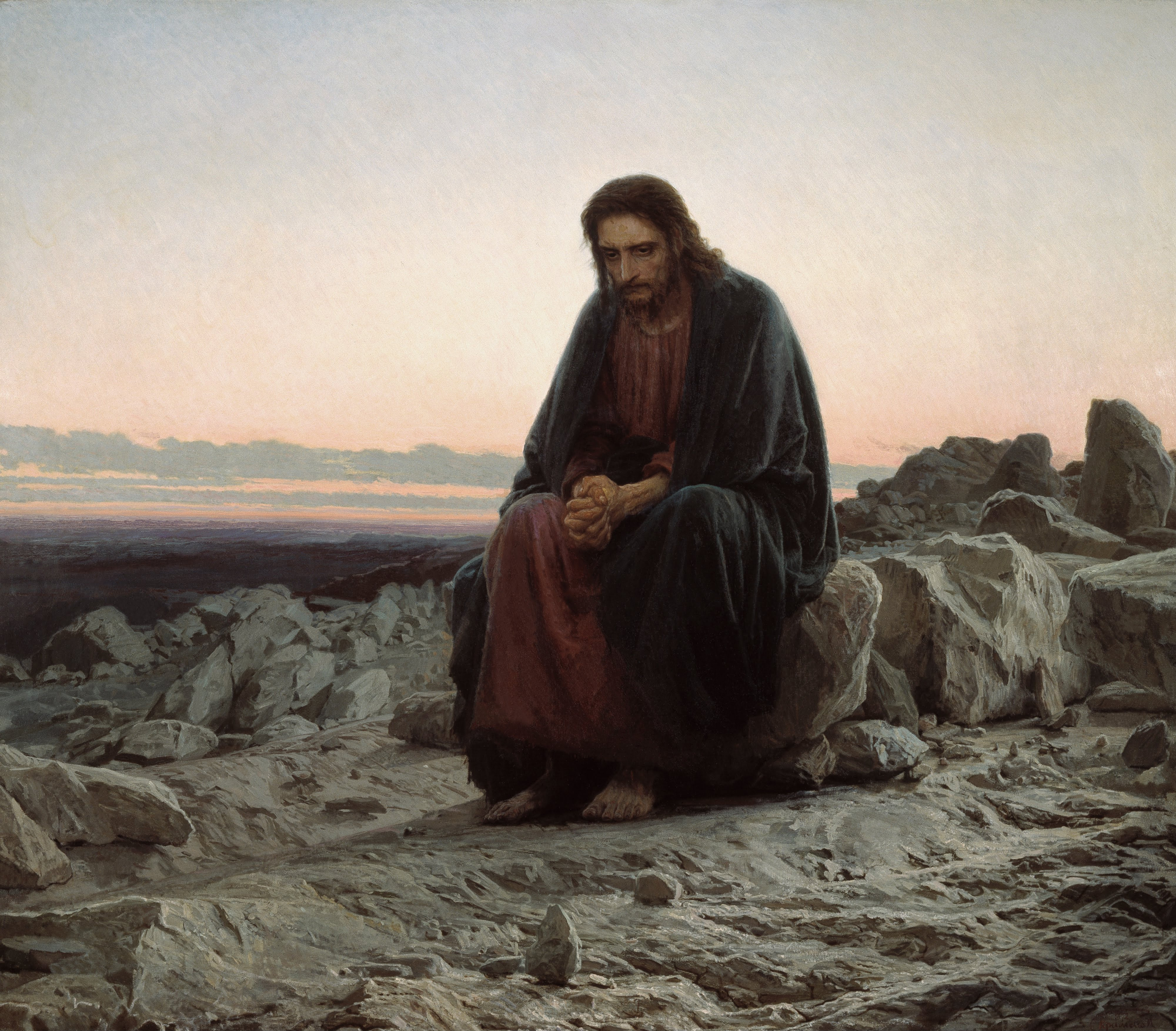
When tempted in the wilderness (Matthew 4:1–11), Jesus did not argue emotionally with the enemy. He responded with Scripture.
“It is written.”
He knew the Word because He is the Word (John 1:1).
Doubt did not shake Him.
Temptation did not redefine Him.
Pressure did not confuse Him.
Jesus Never Let Opposition Define Him
When standing before Pontius Pilate, Jesus did not defend Himself desperately.
In John 18:37, He calmly said:
“For this cause I was born, and for this cause I have come into the world.”
He knew His purpose. Even facing death.
That kind of clarity comes from intimacy with the Father.
What This Means for Us
Here’s the truth:
Most people doubt because they don’t know who they are.
Jesus never doubted because He knew whose He was.
If you belong to Christ, your identity is not fragile. It’s anchored.
- You are chosen (Ephesians 1:4).
- You are God’s workmanship (Ephesians 2:10).
- You are a child of God (John 1:12).
But here’s the correction we need:
You cannot walk in confidence if you don’t spend time with the Father.
Jesus often withdrew to pray (Luke 5:16).
Confidence is born in communion.
Final Reflection
Jesus did not doubt who He was — even when misunderstood, rejected, betrayed, or crucified.
And because He was certain, we can be secure.
If you’re struggling with identity today, don’t chase validation.
Chase revelation.
Ask God to show you who you are in Him.
Clarity changes courage.
And courage changes how you live.
 VOLUMEGUIDE 2